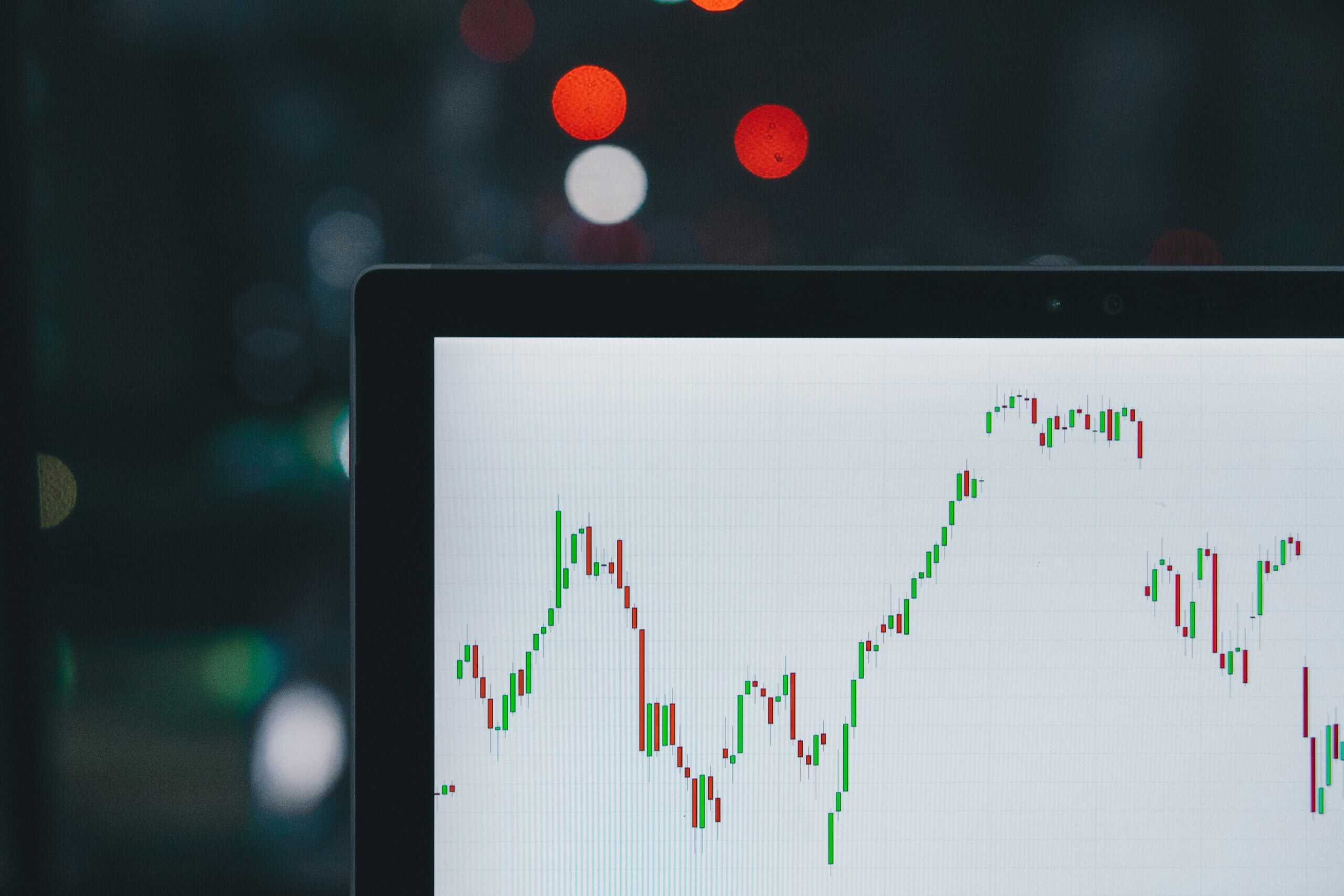
Paper trading is one of the most valuable tools for anyone looking to enter the world of finance without the immediate fear of losing hard-earned money. At its core, paper trading is a simulated market environment that allows individuals to practice buying and selling stocks using “fake” money while tracking real-time market data.
The name originates from a pre-digital era when aspiring traders would literally write their trades down on paper to see if their strategies worked before committing actual capital.
Today, this process is handled by sophisticated automated stock trading bot platforms like StockHero, which provide a risk-free “Paper” brokerage by default, allowing you to test the waters of the stock market with zero financial danger. By removing the emotional burden of potential loss, you can focus entirely on the mechanics of the market and the logic of your strategies.
The Benefits of Simulated Risk in Modern Finance
The primary benefit of paper trading is the ability to build confidence and refine your technical skills. Even for those interested in modern automated trading – where software does the heavy lifting—starting with a simulated account is a crucial first step.
By using a paper trading brokerage, you can explore how different assets like Tesla or Apple behave under various market conditions. It provides a laboratory to experiment with different strategies, such as a “Long” strategy, which aims to buy low and sell high, or more complex “Short” strategies.
Practicing in a system built for automated trading ensures you understand the mechanics and potential costs before real funds are at stake. This phase is less about making a virtual “profit” and more about understanding the rhythm of the market and how your chosen automated trading software responds to price fluctuations.
Transitioning from manual to automated trading requires a shift in mindset, and a paper account is the perfect place to make that transition without the stress of market volatility affecting your bank balance.
Setting Up Your Virtual Environment and Logic
To practice stock trading effectively, the first step is selecting the right asset and setting up your environment. StockHero simplifies this by connecting to your existing brokerage via an API connection, meaning you don’t have to send your money to a third party. Your funds are held securely at all times with your stock broker.
When you are in the practice phase, you simply select the default “Paper” brokerage created by the system. This stage is all about familiarization – learning how to navigate the user interface and understanding how your stock trading bot will interact with the market.
Seeing your stock trading bot execute virtual deals helps you visualize the process of wealth building without the stress of actual financial loss.
Furthermore, testing your trading bot in this safe environment allows you to see how different technical indicators, like Bollinger Bands or RSI, trigger buy or sell signals in real-time.
Mastering Entry and Exit Rules with Intelligence
The next phase of practice involves mastering entry and exit conditions, which are the rules that dictate when a trade begins and ends. A “deal” in trading is essentially a collection of trades; it starts when a bot buys a stock for the first time and completes when the exit conditions are met and the stock is sold.
StockHero Trading Bot utilizes real-time, data-driven insights to help users make informed decisions. Using a Trading Bot allows you to see how professional-grade logic handles the market’s ups and downs, providing a clear window into how algorithmic strategies function in real-time.
For those who find technical indicators like EMA overwhelming, you can use preset strategies from the StockHero Strategy Marketplace to see how high-level logic operates.
Because an Automated Trading Bot can process data and execute trades 24/7, practicing with one helps you understand the speed and efficiency of modern markets. In a paper trading environment, a bot can be tweaked and retuned as many times as necessary until its performance matches your specific investment or trading goals.
Protecting Gains and Strategy Validation
Refining your exit strategy is just as important as knowing when to buy. While technical indicators are powerful, many traders prefer simpler rules like “Take Profit” or “Stop-Loss” parameters. A Take Profit order ensures you lock in gains once a stock hits a certain price, while a Stop-Loss acts as a safety net to prevent further losses.
In a paper trading environment, practicing with these parameters is essential because they often take precedence over other indicators. This teaches you to remove the “hope” factor from trading – where a beginner might wait too long for a stock to recover – and instead rely on the cold, hard logic of your trading bot.
Before finalizing any strategy, an essential step in the practice process is backtesting. This allows you to run your chosen strategy against historical market data to see how it would have performed in the past. You can test your ideas across different time frames, such as the last 24 hours (1D) or the last seven days (1W) and even up to a year (1Y).
Backtesting provides a “stress test” for your automated trading logic. If a strategy consistently loses money in a backtest over the last week of market data, it is a clear sign that you should go back to the drawing board while you are still in the safe confines of paper trading.
Final Thoughts
Ultimately, practicing stock trading through digital platforms and paper accounts distills years of complex financial experience into a user-friendly journey. By following a structured path – choosing an asset, setting parameters, defining entry and exit rules, and backtesting – you transform from a nervous beginner into a disciplined strategist.
Paper trading is not just about learning how the market works; it is about learning how you work as a trader and how much trust you can place in your automated trading systems. Once you have successfully run deals in a simulated environment and feel comfortable with the software’s interface, you will be much better prepared to connect your actual brokerage and begin your journey into real-world automated trading.